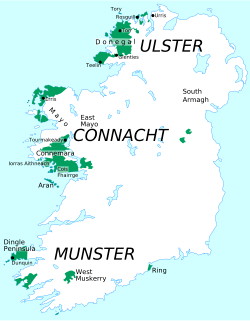
Gaeltacht areas

Image result for connemara an gaeltacht

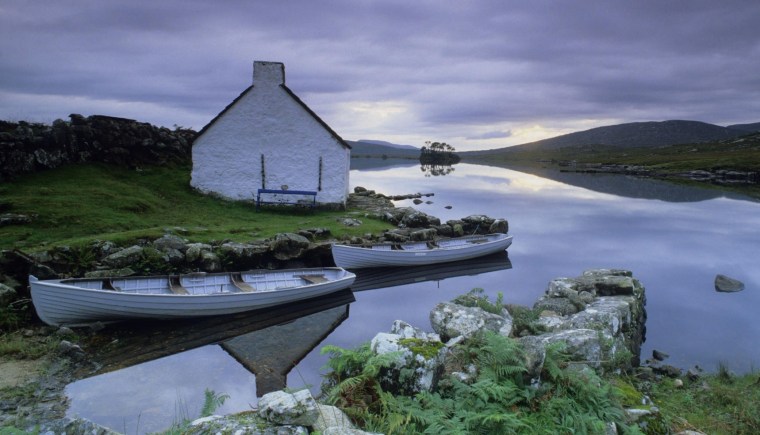
People can experience the Irish language in the Gaeltacht areas. This areas in Ireland are the best way to experience the language. Most of people in the areas speak fluent Irish. In the Map you can the where this areas are, they are mostly spread in the west, north-west and south west of 250px-Gaeltachtai_le_hainmneacha2.svgIreland. Also there are radio and TV station where Irish is spoken like TG4 and Raidió na Gaeltachta. But the best way is probably go to this beautiful places. Connemara” derives from the tribal name Conmacne Mara, which designated a branch of the Conmacne, an early tribal grouping that had a number of branches located in different parts of Connacht. Since this particular branch of the Conmacne lived by the sea, they became known as the Conmacne Mara (sea in Irish is muir, genitive mara, hence “of the sea”). This areas are a great spot for tourist, where they can experience the “Irish Life” and the beautiful landscapes.
connemara-county-galway-ireland.jpg

Local Authorities and the Tourist

Image result for dublin hd liffey pic

Local authorities are responsible for the provision of an extensive range of public services in your area. In addition, local authorities promote the interests of your local community, including the social, economic, environmental, recreational, cultural, community or general development of your area. This included the provision of infrastructure, the development of tourist attractions and experiences, support for festivals and events and the implementation of tourist promotion plans.

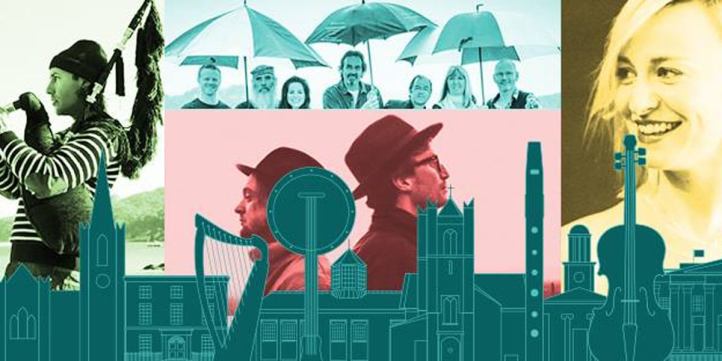
They support and promote event like St. Patrick Festival, New Years Eve Festival, Bram Stoker Festival, Temple Bar Tradfest, Culture Night and many more.

WO-TradFest-2019_2_1200x600

Irish Constitution explained

There are 4 key elements in the Irish Constitution:

  • The President
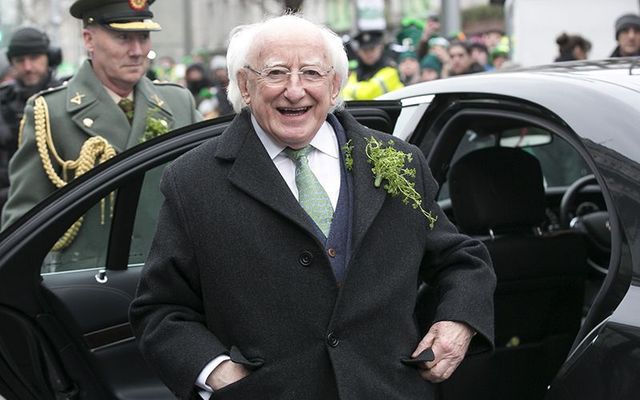
Image result for michael higgins
Michael D. Higgins
  • The Oireachtas (Parliament)

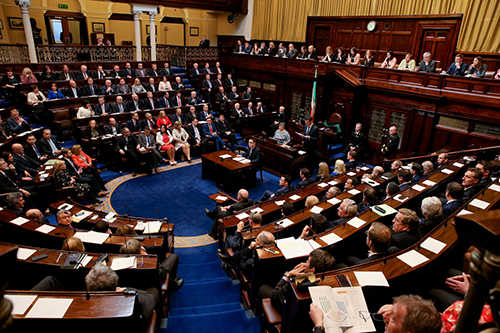
Image result for irish parliament

  • The Government
Image result for irish government leo
Leo Varadkar
  • The Courts


Image result for irish courts

The Irish Constitution establishes and describes the main institutions of the State. The power to run the State is divided into 3 separate powers: the legislative power, the executive power, and the judicial power.

The legislative power is the power to make laws, that is, to introduce, remove or change legislation. Articles 15 to 27 of the Constitution give this power to the national parliament or the Oireachtas. The Oireachtas consists of Dáil Éireann, Seanad Éireann and the President.

The executive power is the power to carry the laws into effect, that is, to execute or carry out the laws with the assistance of a police force, a military force and the civil service. Article 28 of the Constitution gives this power to the Government, that is, the Taoiseach, the Tanaiste and the cabinet of Ministers.

The judicial power is the power to interpret and apply the law to disputes and conflicts that arise between the State and the individual and disputes and conflicts that arise between individuals. Articles 34 to 37 of the Constitution give this power to the courts.

Irish Pottery

62_Small_cylinder_jug_Old_Rose_spongeware_pottery_by_Nicholas_Mosse_Pottery_-_Ireland_-_Handmade_irish_Craft._480x480

The potter’s wheel was introduced into Ireland around the 13th century by the Anglo-Normans. This technological advance helped with vessel symmetry and speed of production. There are three principal types of pottery- earthenware, stoneware and porcelain; distinctions were made between the types of clay used and their firing temperatures.

Traditional Irish pottery can be divided into two types- coarse ware and fine ware. Coarse ware is more common and consists of strong, robust items, used for everyday activities, such as sturdy cooking bowls and jugs, crocks and similar vessels for buttermilk and cream, chimney pots and flowerpots. These items would generally be either stoneware or earthenware.

Fine ware began to be made in Ireland in the late 17th century due to the rising cost of importing fine ware from overseas. Using native fine white clay, this pottery tends to be more decorative and delicate in nature. Belleek Potteries, in operation since the middle of the 19th century, are still producing Irish fine ware and porcelain of quality.

There are numerous potteries around Ireland also still producing excellent ceramics using both traditional and modern techniques. Nicholas Mosse Pottery, Louis Mulcahy Pottery and Stephen Pearce Pottery to name a few.

Traditional music for locals and tourist


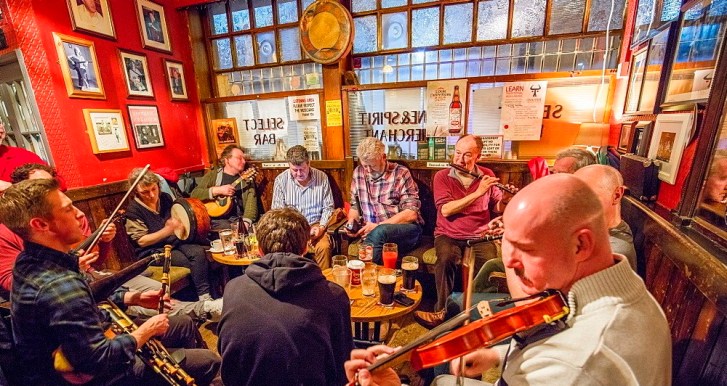
15552000.jpg

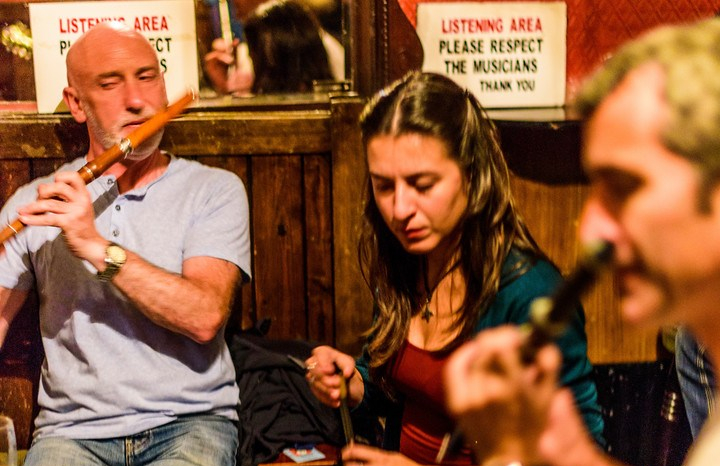
The Cobblestone is a traditional, family-run Irish Pub in Smithfield. The owners have been playing Irish music for five generations, no one can remember back any further. Tom Mulligan’s laid back and friendly pub is built on family tradition – respect for music and culture. Some of Ireland’s finest musicians, including Tom’s brother, the renowned uilleann piper Néillidh, lead traditional Irish music sessions in the bar seven days a week. The music is not put on for show. Musicians and singers hand on songs, tunes and skills that keep the tradition alive. Everyone is welcome. The Cobblestone is in one of Dublin’s oldest neighbourhoods, Smithfield, one minute from the Luas stop and fifteen minutes walk from the city centre.

LR-1081-L

Tourists from all nationality are attracted to this place to experience the real Trad Sessions and the “craic” that the pub is well known for. This place is a hidden gem for the pub scene in Dublin and deserves a visit.

The Cobblestone Backroom Venue also presents gigs, sessions, classes and talks. Bluegrass, country, folk, singer-songwriter nights, Sean-nós singing and dancing, set dancing, céilidh, history talks and more.

The Balaclavas session takes place every Wednesday night in The Backroom when Tom’s daughter Síomha and Jacqui Martin, both fiddle players, teach Irish music on a variety of instruments to those not yet brave enough to play in the front bar (Balaclava supplied if you are really shy).


Sean-nós dance the old style

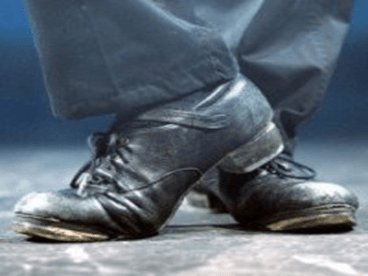
sean-nosSean-nós dance, in Irish meaning the old style, is an ancient form of solo Irish dancing. It is a casual dance form, as opposed to the more formal and competition-oriented form of Irish stepdance.
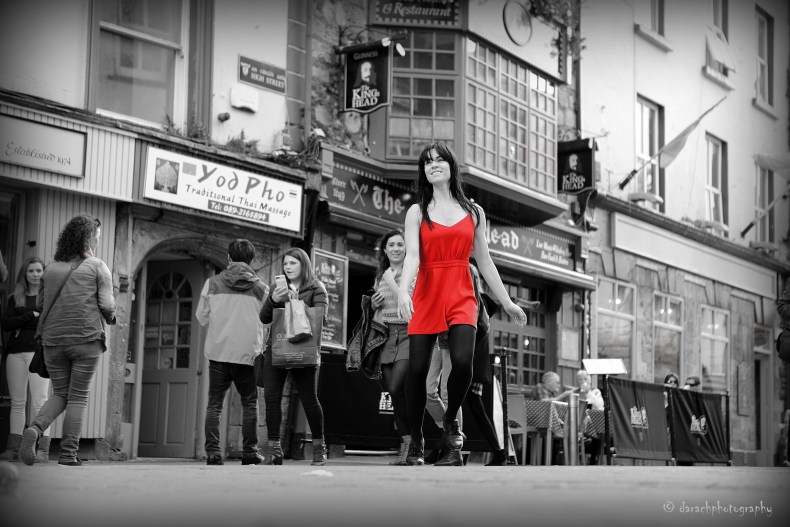
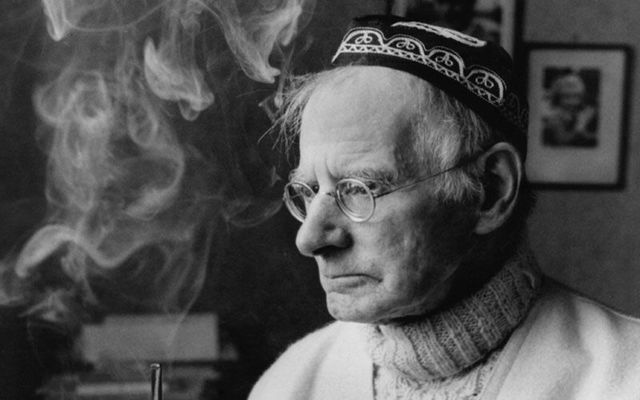
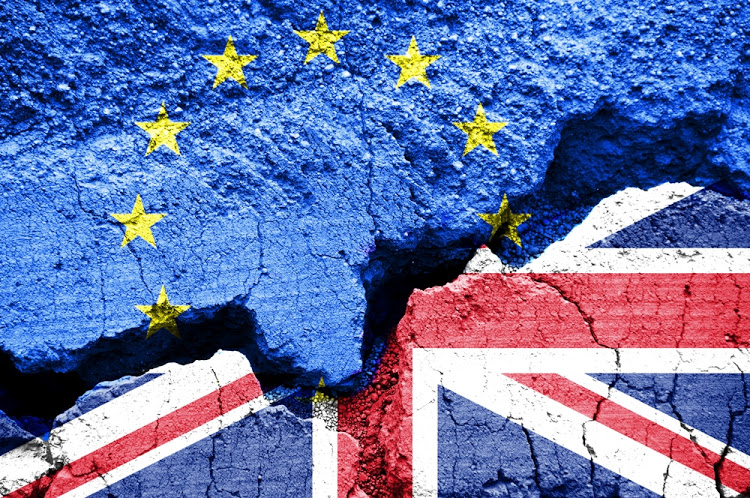
Sean-nós dance is characterised by its “low to the ground” footwork, improvised steps, free movement of the arms, and an emphasis upon a “battering step” (which sounds out more loudly the accented beat of the music). By its nature, it follows the music closely. It is traditionally a solo dance form. Because sean-nós dancing is improvisational, it is not necessary for a pre-arranged routine or choreography to be decided upon by the dancer.  Spontaneous expression is highly valued. Therefore, it is less common to see groups performing synchronised sean-nós dance (which requires choreography in advance). Instead, the dancers may dance in turns, playing off the energy of the other.

One of the most relevant dancer in this style is Emma O’Sullivan. Emma is from Connemara, Co. Galway in the West of Ireland. An All-Ireland Champion, she has toured the globe with many of the top names in traditional Irish music. She is an experienced workshop facilitator and has spent over 10 years sharing this beautiful tradition.
Emma is best known for her energetic street performances and viral videos which have been shared by over 20 million people worldwide.

emma-red-dress-hi-reshttps://www.youtube.com/watch?v=iCNNx5hT46U

Sean O’Casey

Sean-O-Casey

Sean O’Casey was born on March 30, 1880, in Dublin, Ireland. Embroiled in the Irish Nationalist cause, he joined the Irish Citizen Army in 1914. After the Easter Rising, he spent half a decade writing plays. The first to be accepted was The Shadow of a Gunman in 1923. In 1926 he finished The Plough and the Stars. His last play was published in 1961. He died on September 18, 1964, in Torquay, England. He is considered the greatest of the Irish playwrights who began writing after World War I.

His father died with he was six years old, and the family (of thirteen!) had to move from house to house in North Dublin. His birth name is John, but as he got more involved in politics and took up the Irish nationalist cause, he changed his name to Sean.

Brexit and the impact of political stability in Ireland for the Tourism Industry

brexit

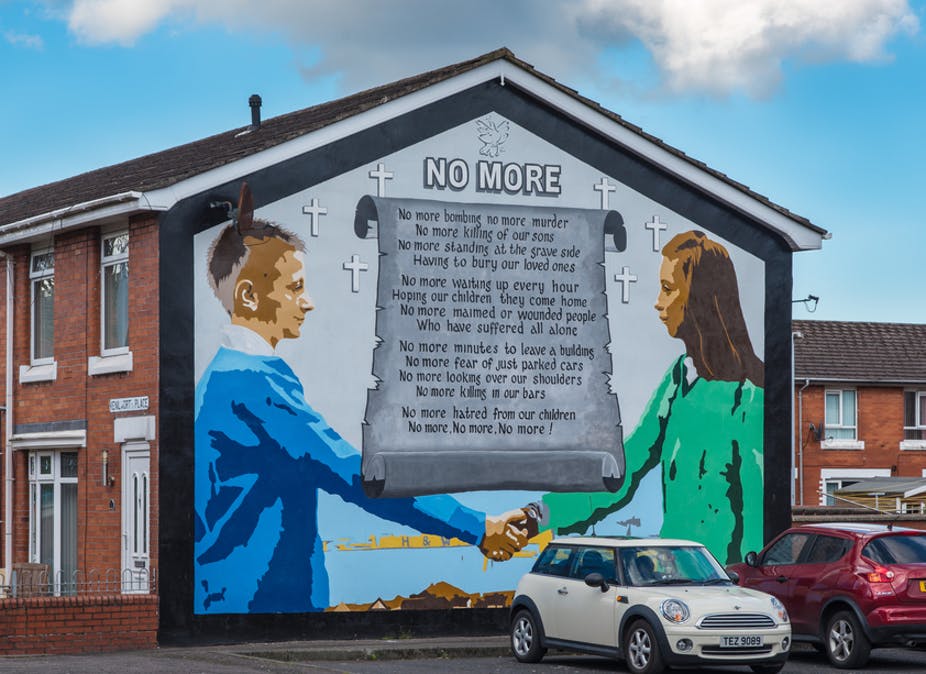
Brexit is undermining the political stability in Ireland. Britain exiting the EU could mean a great deal for the countries. Both Unionist and Republican communities are worrying about a possible scenario already seen in the past. Could Brexit interfere with The Good Friday Agreement of 1998? Could Brexit bring back the Hard Border between the states? Will this generation put up a fight like in the Troubles?

Imagine having again a hard border, seeing soldiers at the frontier with machine guns, checking documents and cars with dogs barking. How would this look to the eyes of the locals? Memories of the past, or better ghosts of the past. It is extremely important that an agreement is reached and the hard border avoided for the peace of the area.

Not having peace would mean that the Tourism Industry will collapse, after the hard work done in recent years.  Also, Tourism will be one of the first sectors to feel the impact of Brexit as the resulting plunge in the value of sterling makes Irish holidays more expensive for British visitors. Almost 4.5 million British tourists visited Ireland last year and spent almost € 1 billion here. The UK market accounted for four out of every 10 visitors, and this proportion has risen by one-quarter since 2012.

file-20180102-26151-zcr3hq

Phil Lynott

00883036_1024x1024

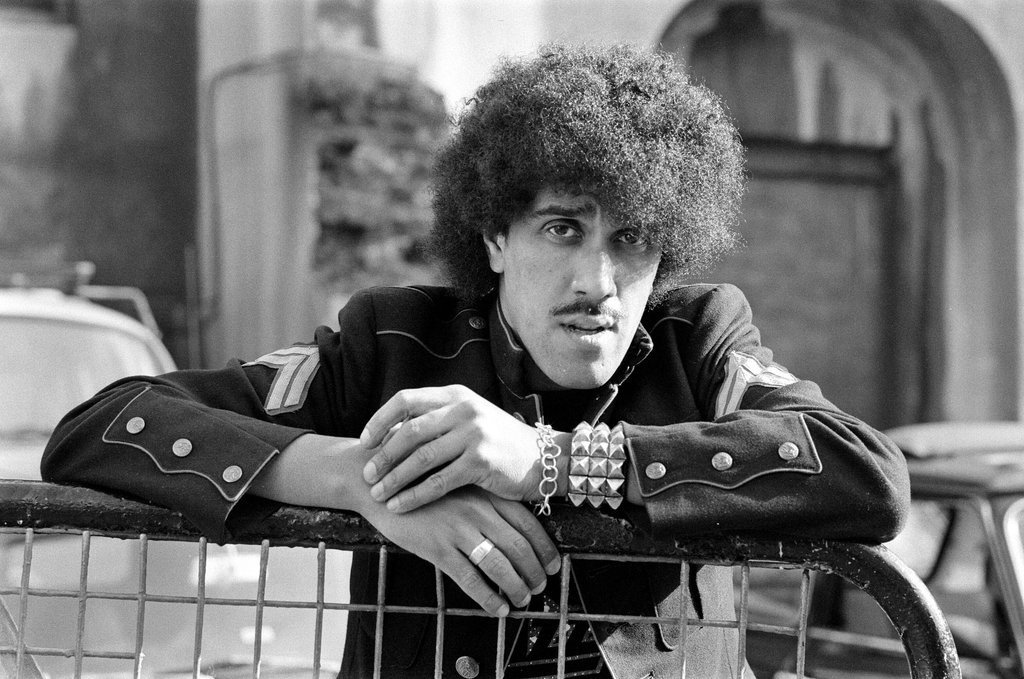
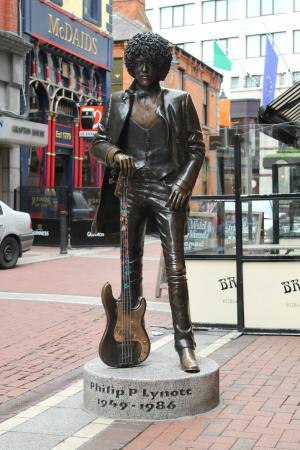
Philip Parris Lynott (20 August 1949 – 4 January 1986) was an Irish musician and songwriter. His most commercially successful group was Thin Lizzy, of which he was a founding member, the principal songwriter, lead vocalist and bassist. He was known for his distinctive plectrum-based style on the bass, and for his imaginative lyrical contributions including working class tales and numerous characters drawn from personal influences and Celtic culture.

Lynott was born in the West Midlands but grew up in Dublin with his grandparents. He remained close to his mother, Philomena, throughout his life. He fronted several bands as a lead vocalist, including Skid Row alongside Gary Moore, before learning the bass guitar and forming Thin Lizzy in 1969. After initial success with “Whiskey in the Jar”, the band had several hits in the mid-1970s with hits such as “The Boys Are Back in Town”, “Jailbreak” and “Waiting for an Alibi”, and became a popular live attracphil-lynott-statuetion combining Lynott’s vocal and songwriting skills with dual lead guitars. Towards the end of the 1970s, Lynott also embarked upon a solo career, published two books of
poetry, and after Thin Lizzy disbanded, he assembled and fronted the band Grand Slam, of which he was the leader until it folded in 1985.

Following Thin Lizzy, Lynott increasingly suffered drug-related problems, particularly addiction to heroin. He had a final hit with Moore, “Out in the Fields”, followed by the minor hit “Nineteen”, before his death on 4 January 1986 from sepsis secondary to pneumonia. He remains a popular figure in the rock world, and in 2005, a statue in his memory was erected in Dublin.

William John Leech

w1500-Leech-Convent-Garden

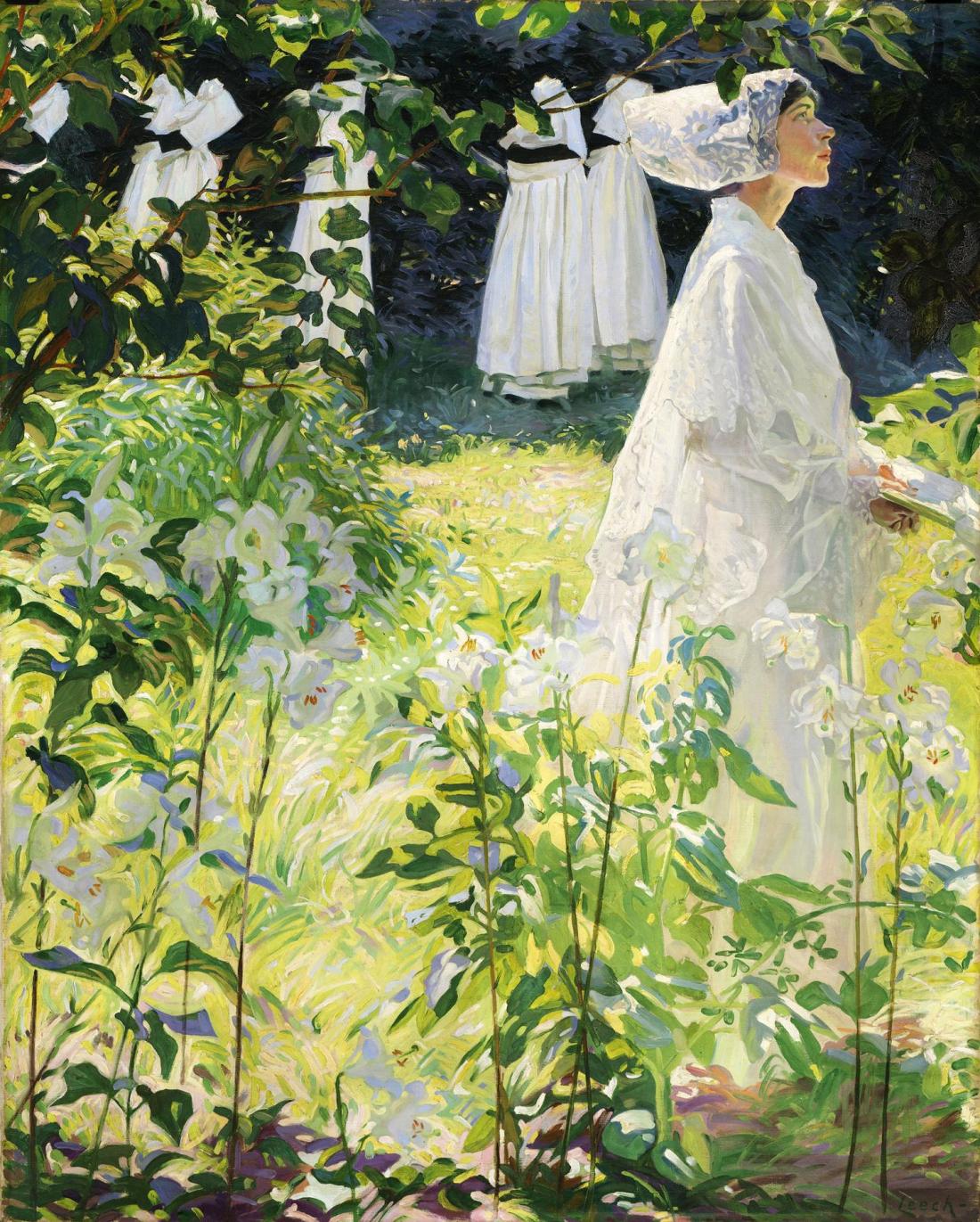
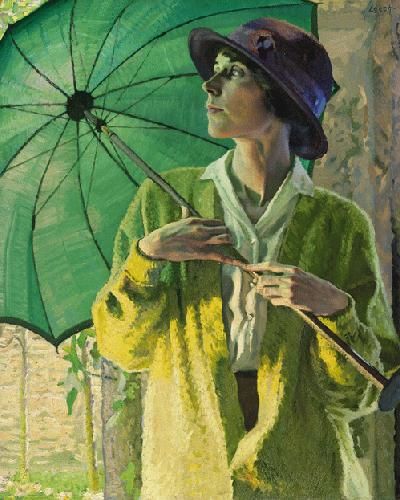
Leech was born in Dublin and went to school at St Columba’s College, Dublin in Rathfarnham, later studying at the Metropolitan School. He later transferred to the Royal Hibernian Academy and studied under Walter Osborne. In 1903, Leech left Dublin for Paris, where he would fall in love with the French landscape.

After he returned to Dublin from Brittany in 1906 he was soon embraced into the artistic circle of George Russell (A.E.), Constance Gore-Booth and her husband Casimir Dunin Markievicz. He exhibited nearly seventy paintings with them in a group exhibition at the Leinster Lecture Hall in August 1907. In December 1909 Leech exhibited with Jack Yeats, Albert Power, Eva Hamilton, William Orpen, Lily Williams, A.E., Constance Gore-Booth and Dermod O’Brien in the first Aonach art exhibition, organisecf47e1cd43c46fd3587a341957458f90d by Sinn Féin as part of the Irish Festival at the Rotunda.

On his return to France, he married Elizabeth Saurin, a young painter of a similar style, in Concarneau. They separated after just two years of marriage. Leech would travel throughout Europe and eventually settled in England in 1919, with frequent visits to the South of France, to Marseilles, Grasse and Cagnes-sur-Mer.