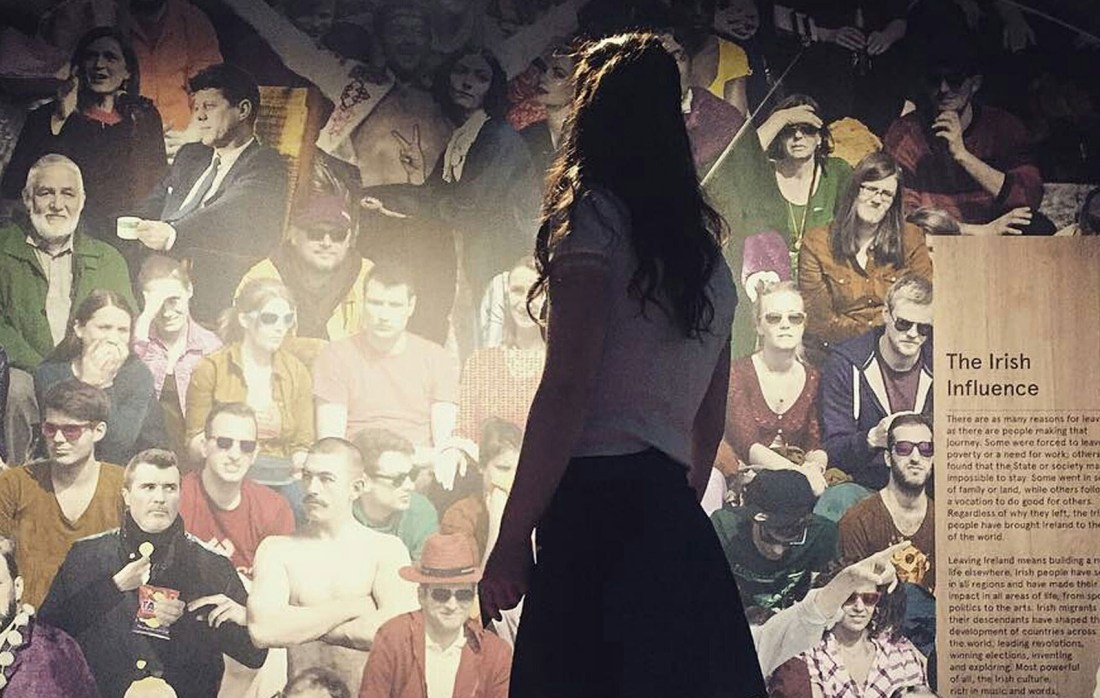
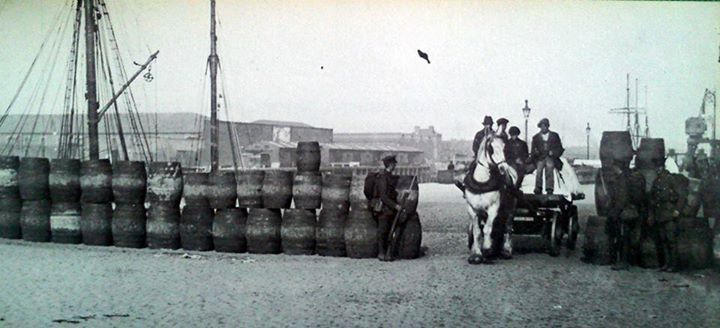
Epic Ireland is located in the Docklands, in the CHQ building on North Wall/Custom House quays, 10 minutes’ walk from the city centre and 5 minutes from Tara or Con nolly Station. The location is ideal for the museum because it is near the Famine memorial and the Jeanie Johnston Tall ship (ship where many people emigrated to North America and Europe). The building was restored for the museum, it used to be used as a warehouse for wine and tobacco. The restoration of the building and the development of the museum redirect many tourists from the city centre to the Docklands Area. This benefits the City as the tourists don’t concentrate on just one area. Epic Ireland is a vibrant attraction and capable of coping with large numbers. The attraction is marketed quite well with a leaflet on many Tourist Information Centres and advertised online. They have a Facebook, Twitter, Instagram, YouTube pages and they are advertised on the website. The entrance fee is 15 euro.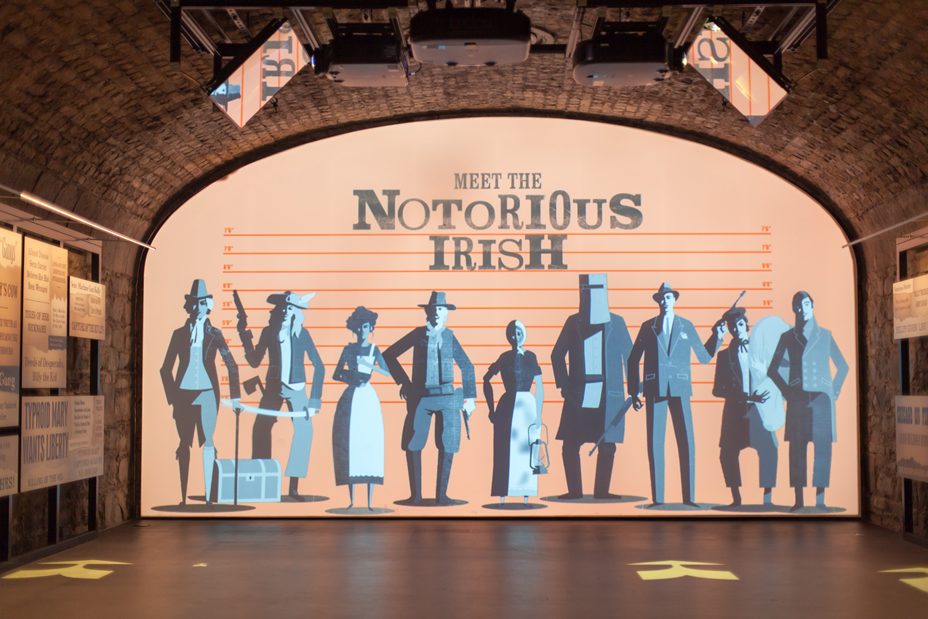
The Attraction is self-guided, but there are agents ready to help you if you have any queries. You can pay for a guided tour as well. There are audio guides available in many different languages or a phone application can be downloaded to give you information about the attraction.
A passport is given to you when you buy the ticket, the passport is a map and a record of your journey through Epic. You can stamp the passport in every gallery you visit and at the end of the exhibition you can tap the passport on the connection table to send a digital postcard, you can also explore the family background in the genealogy section.
The attraction starts with a video of the founder of Epic Ireland, Neville Isdell, former Chairman and CEO of Coca-Cola that explains how he had the idea of transforming the building to a major tourist attraction and the reasons for setting it up.
The attraction is organised in 20 galleries and divided into four themes:
- Migration, an introduction on what was Ireland like in those times and the
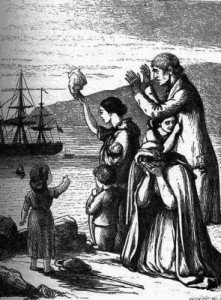 departures that have shaped it
- Motivation, explains the reason why so many people left during the centuries, people that went through wars, poverty, starvation of the “Famine”, oppression for religion believes or love orientation, the need of liberation from the oppressor, the want of adventure, the hope for a better life, the crime, big or small that ended in being banished from the homeland.
- Influence, what Irish people did abroad during the centuries, how they influenced music, literature, art, politics, business, science, medicine.
- Connection, how the people with Irish origins maintain the pride and connection with the homeland.
I personally liked the attraction, made me feel like I was going through the emotion that people might have felt leaving the homeland, going to an unknown place. 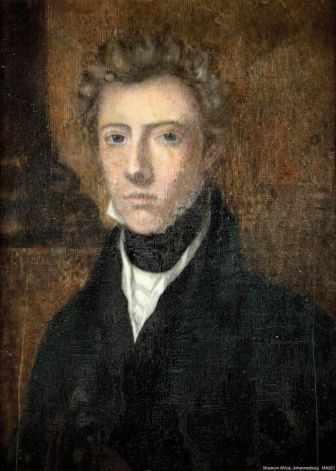
Entering the museum, located in the same place where people emigrated in the Docklands, in a vault that resembles a ship, getting the passport stamped gave me that feeling. Also was interesting knowing that some of the people that left made such a big impact in various fields. I think a local and international tourist would find this attraction very interesting because it gives full immersion on the many different stories of Irish people that left Ireland, told in a digital and interactive way. This is the world only fully digital museum. One of the stories that really stood out to me was the story of Dr. James Barry, a British army surgeon with Irish origins which operate the first Caesarean section disguised as a man, she was, in fact, a woman and the first female surgeon. The museum tells many stories like this one and underlines how much Irish influence there is in the world.

 Marcos Travel blog